
Profundizar la mirada a través de la repetición
Esta segunda parte del proyecto nace de seguir explorando las mismas preguntas de Texturas para leer el mundo: ¿cómo se lee el entorno cuando se lo observa desde lo mínimo, desde lo silencioso, desde lo que persiste?
Pero aquí, esa lectura se vuelve más concentrada. La repetición aparece como una manera de entrar más hondo en las formas que ya estaban ahí. Repetir no para ordenar ni controlar, sino para desplegar lo que una sola mirada no alcanza a revelar.
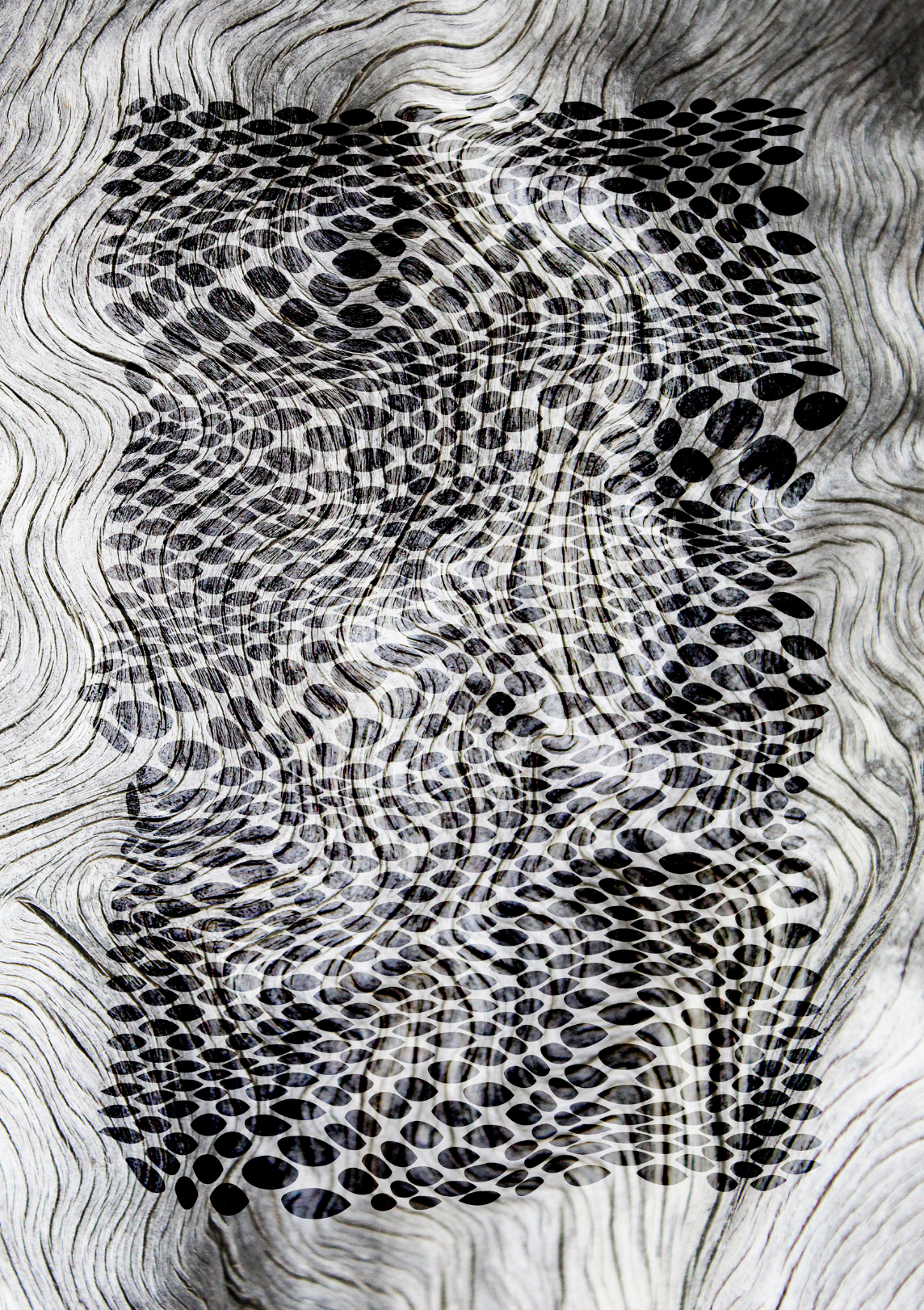
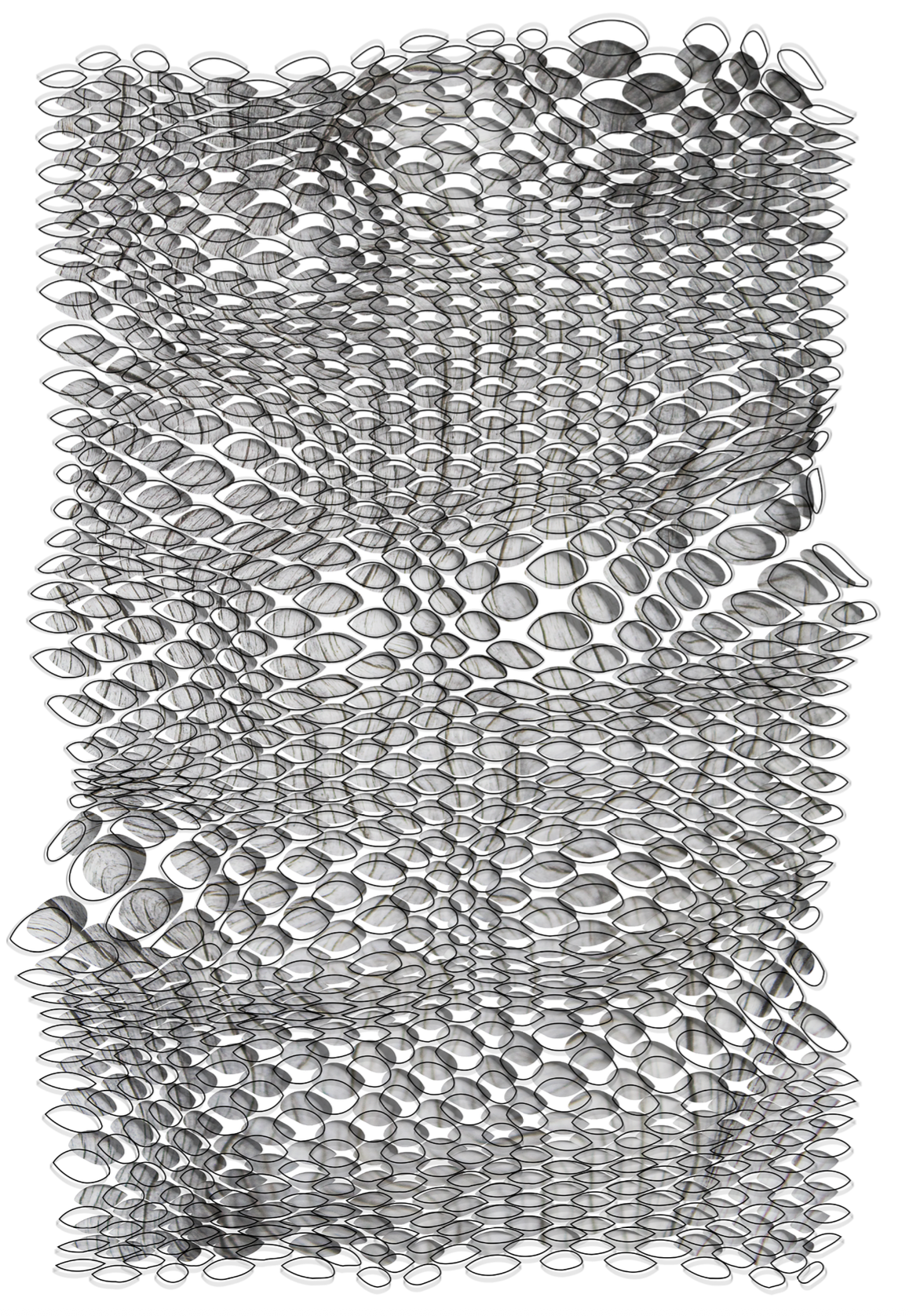
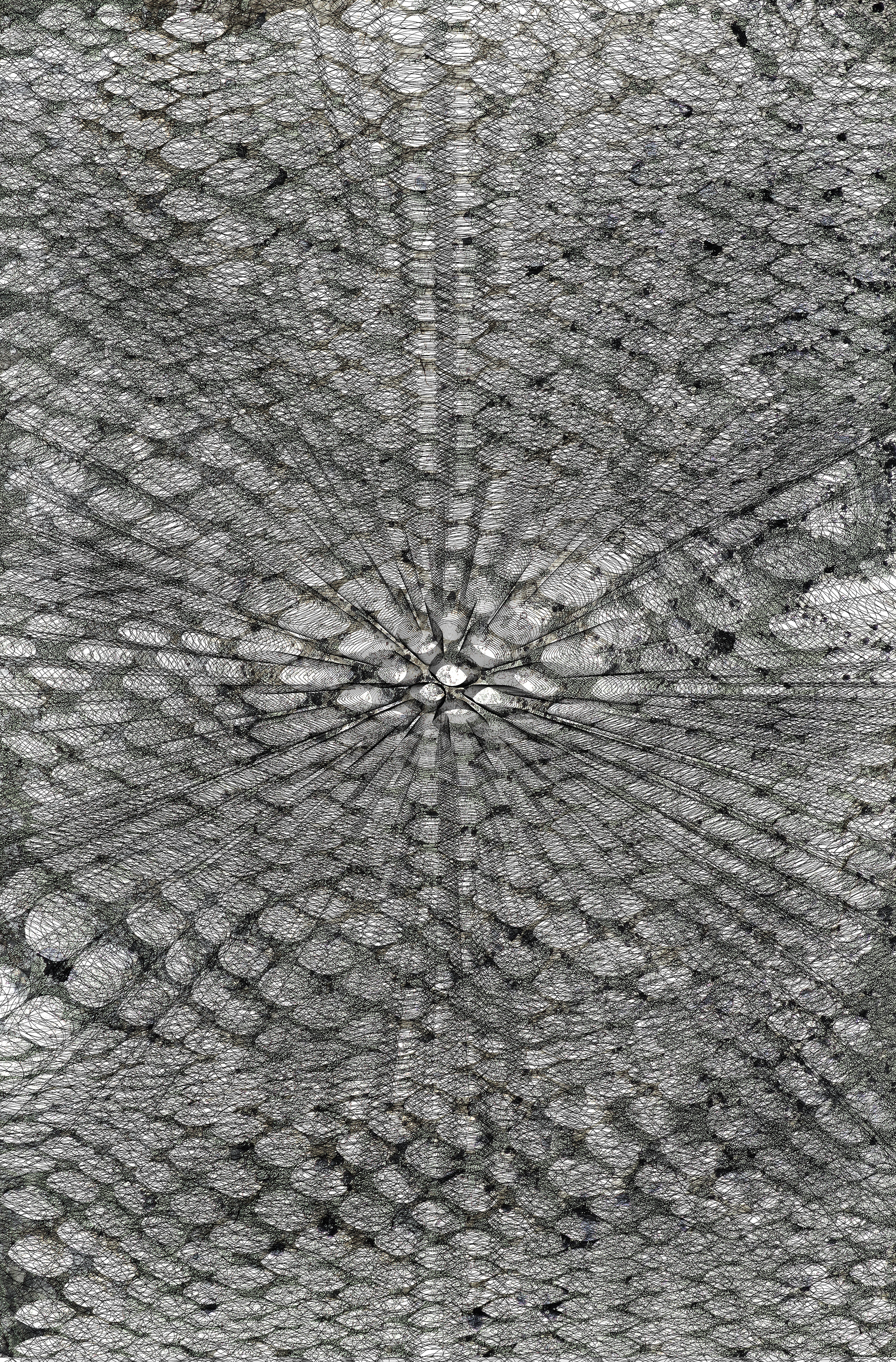
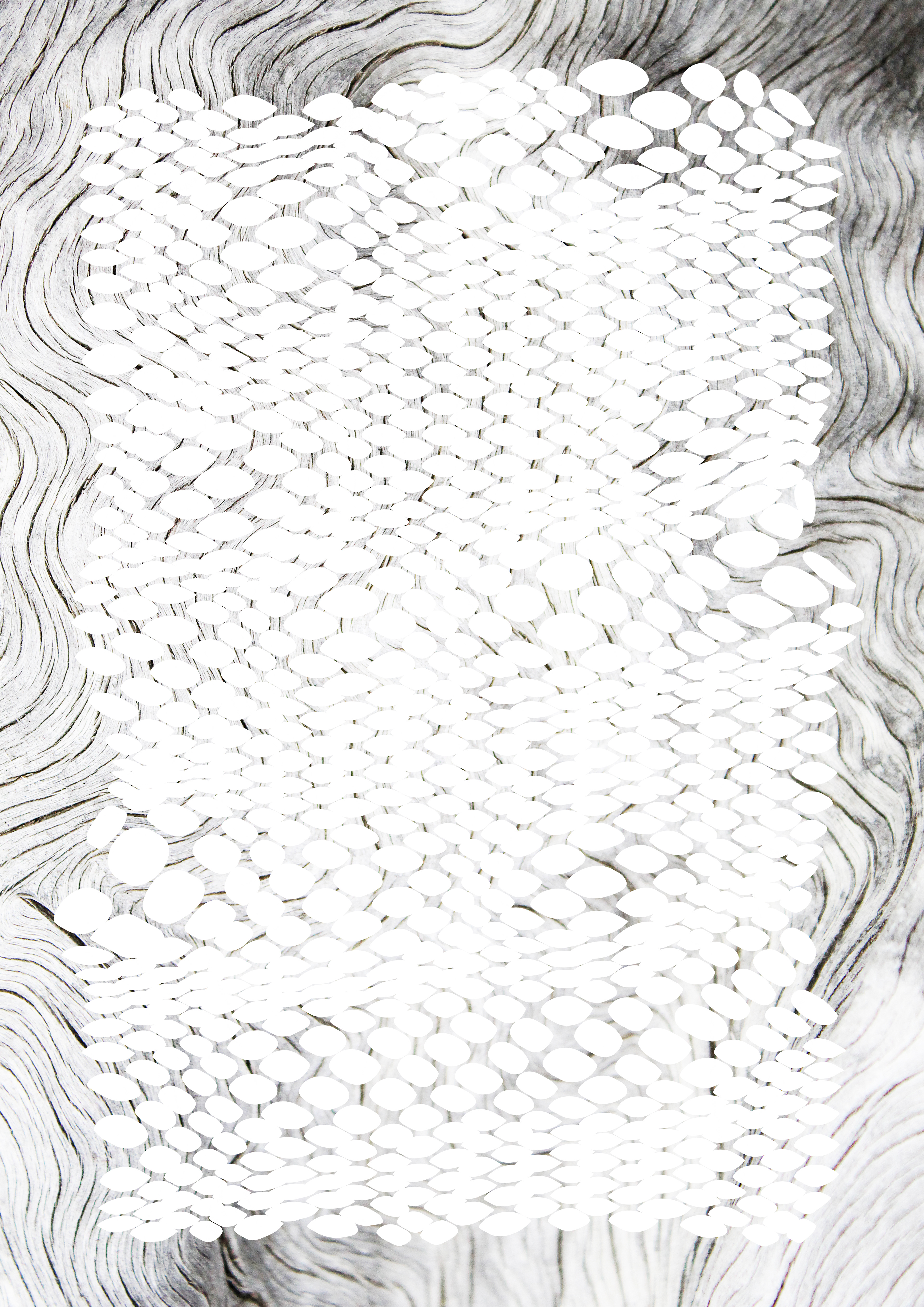
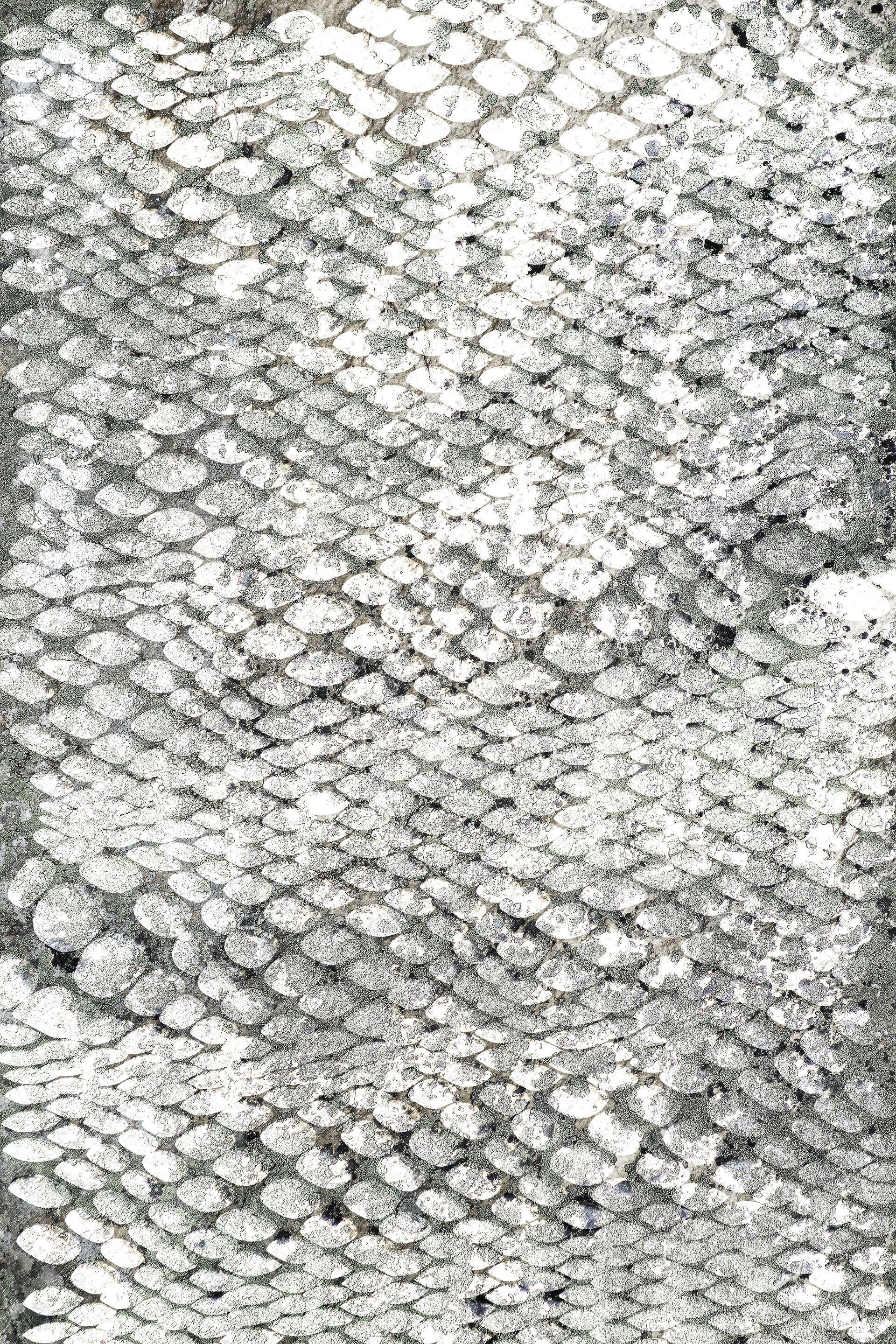
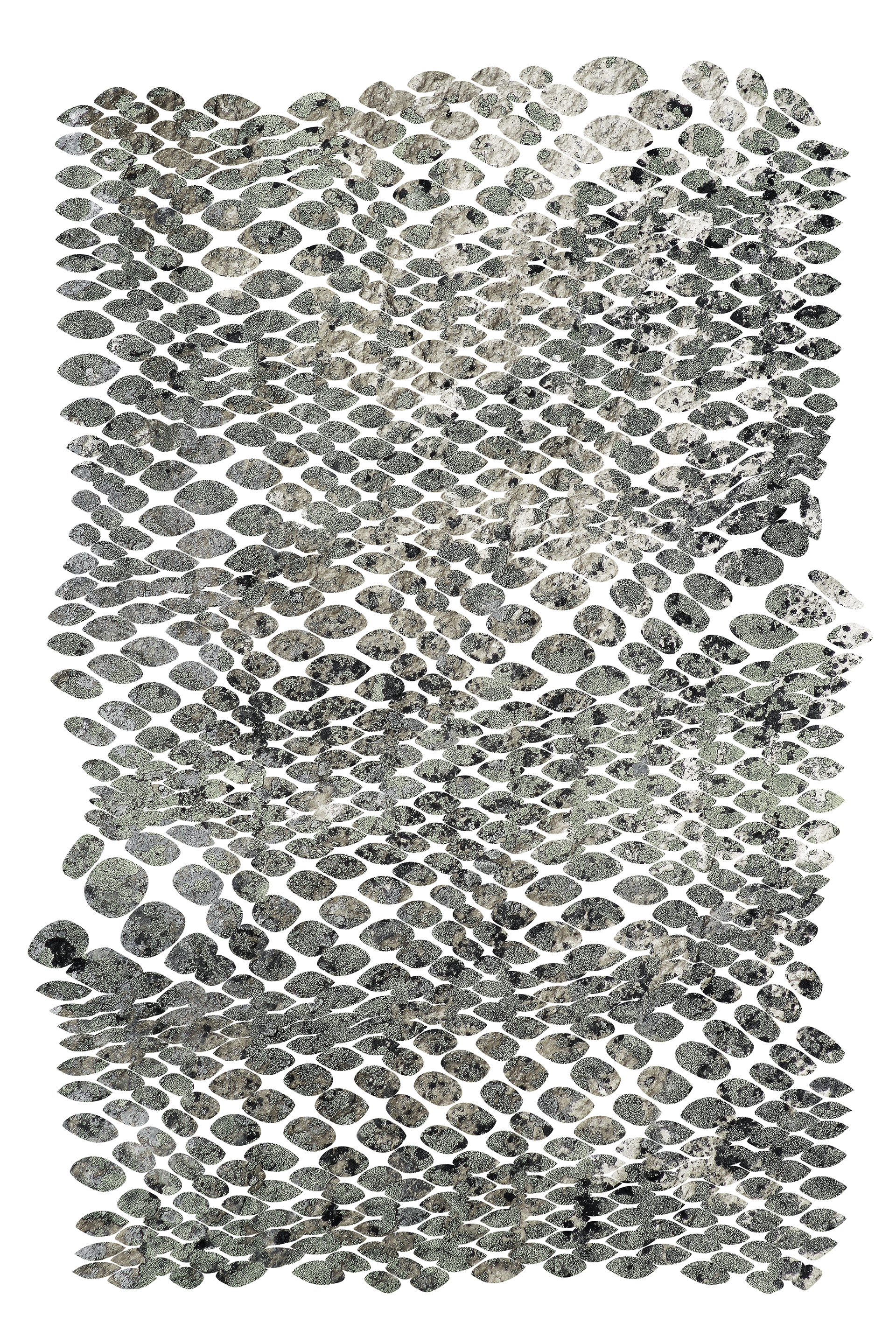
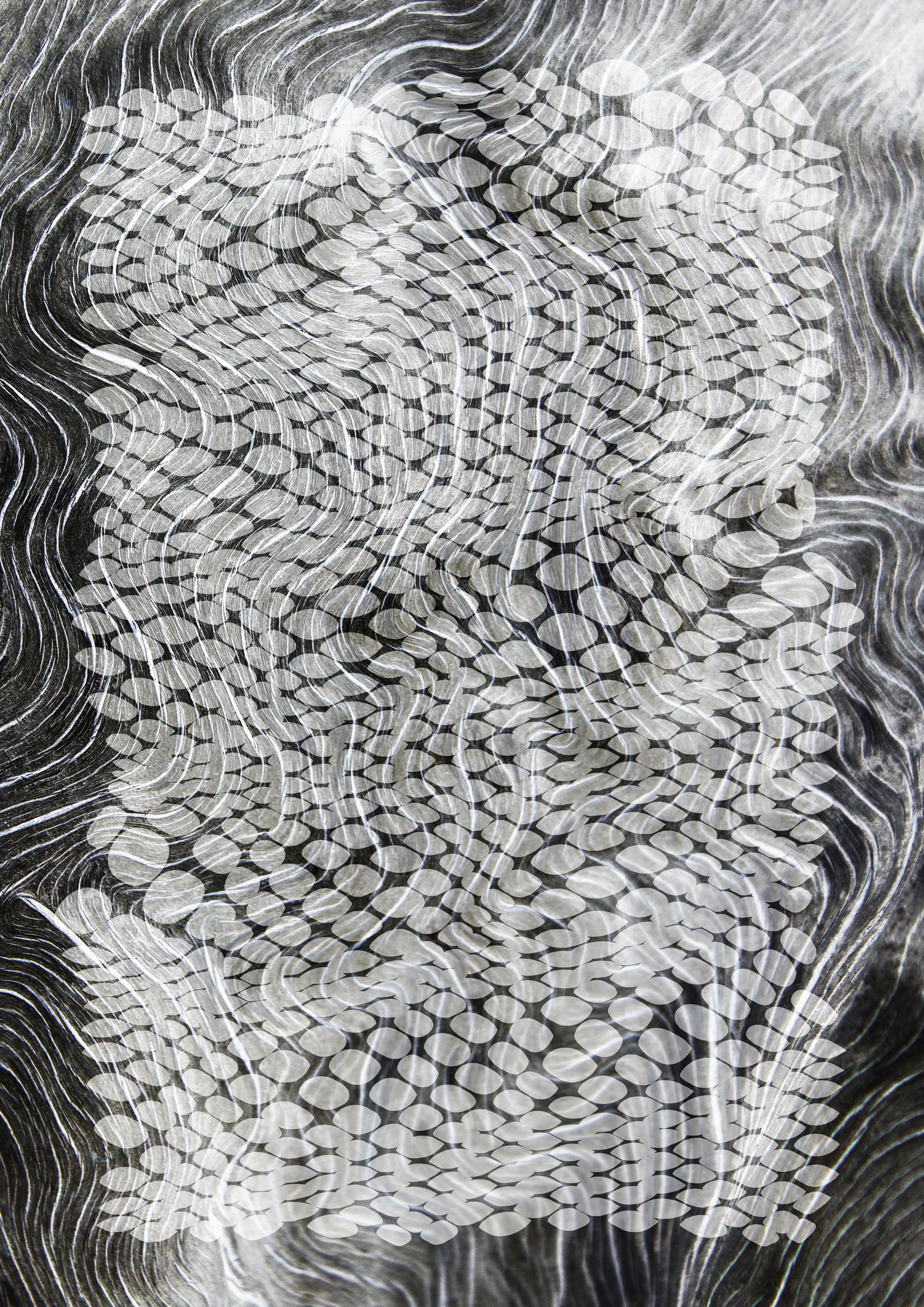
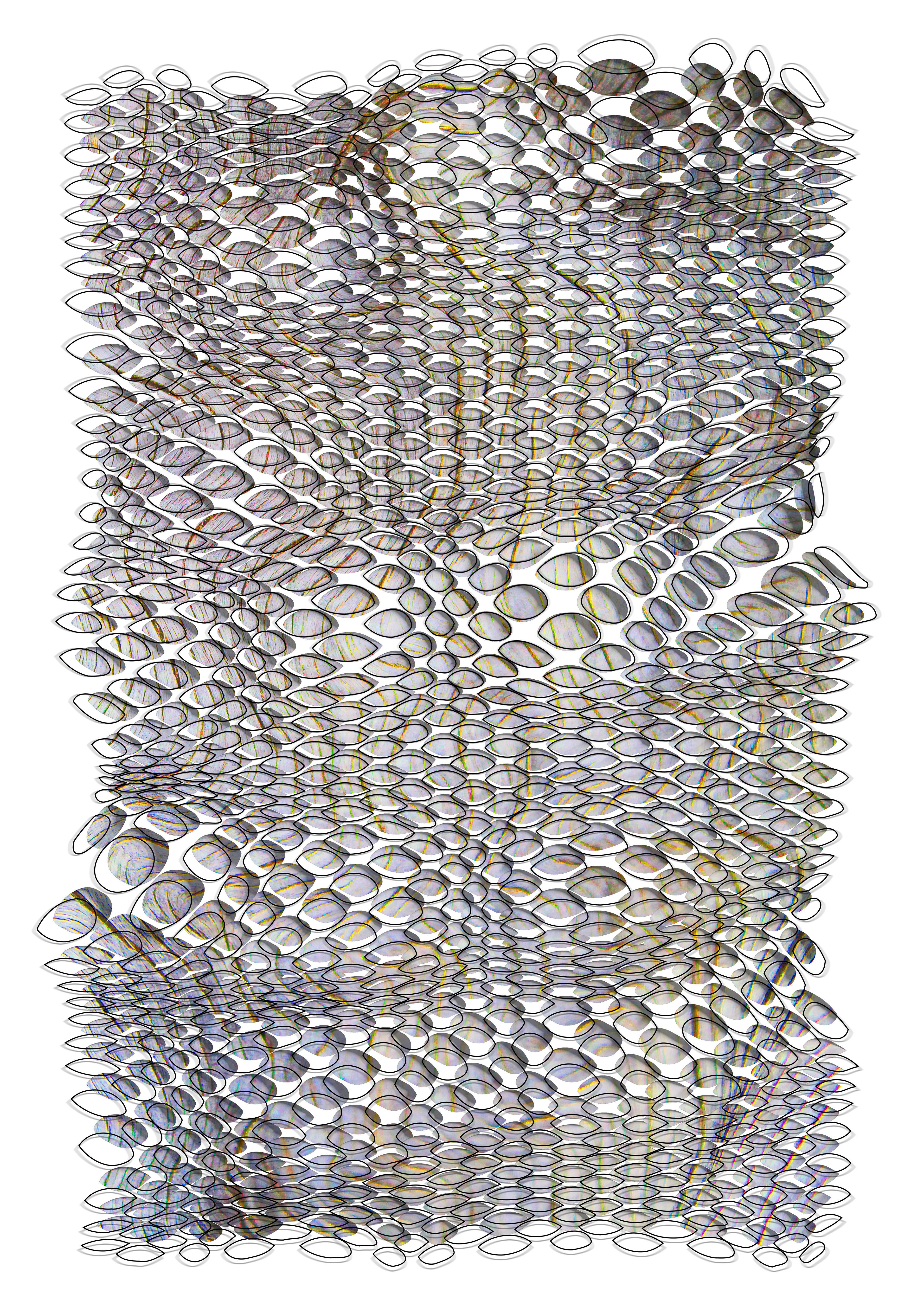
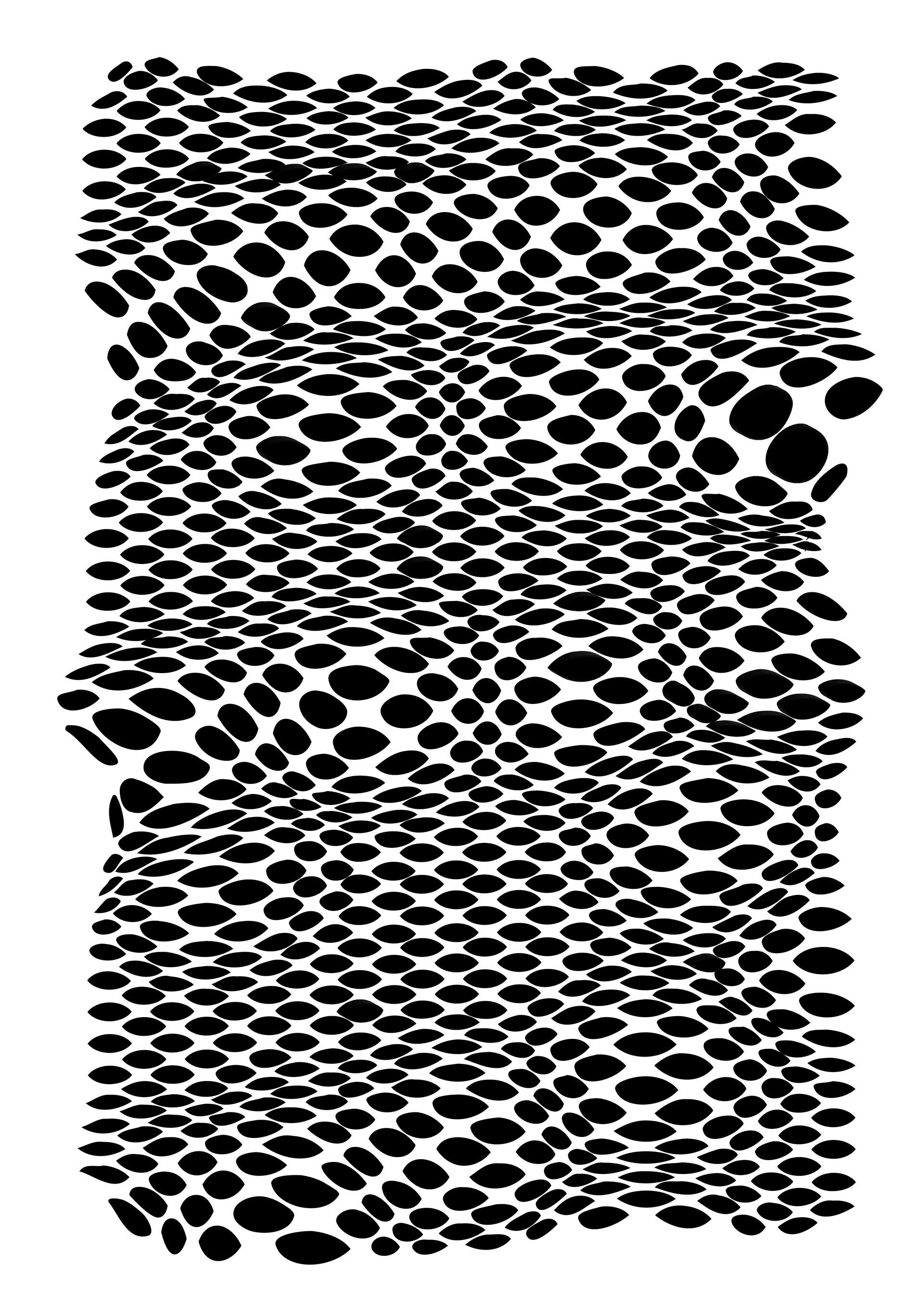
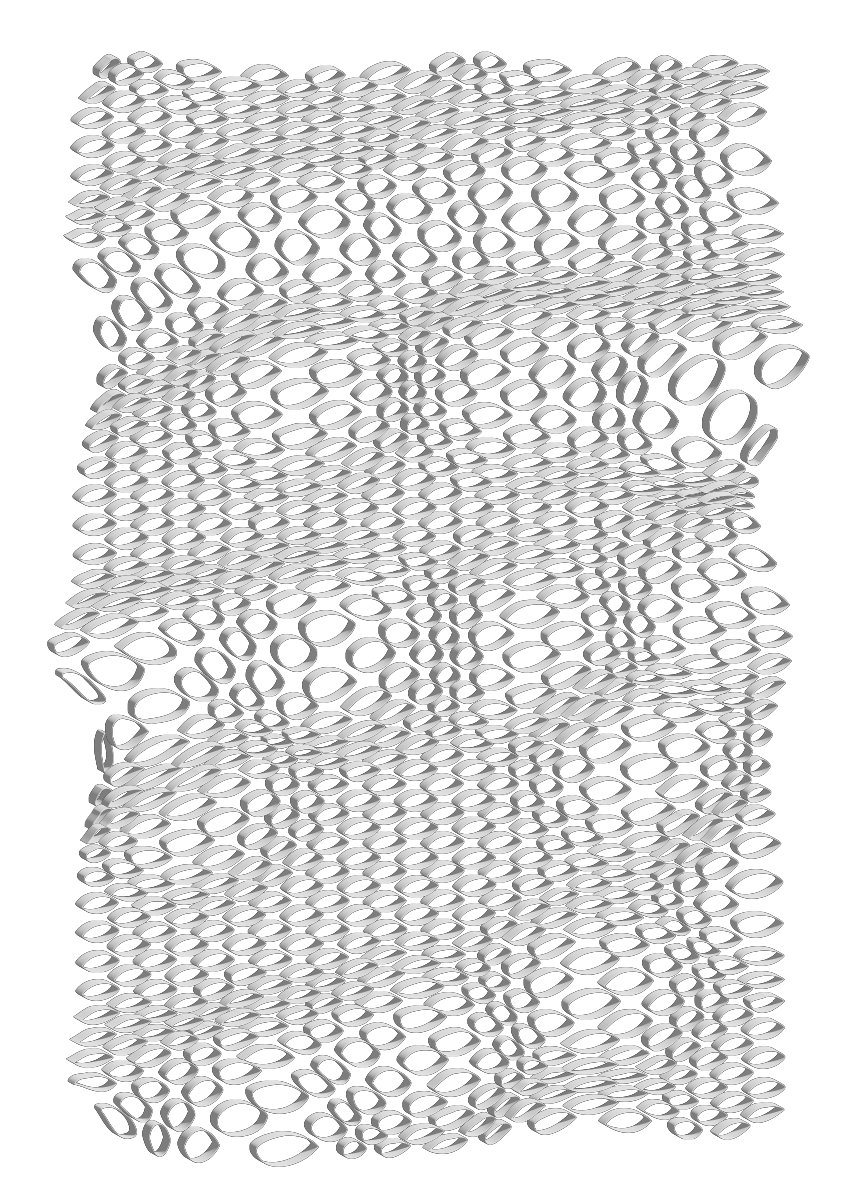
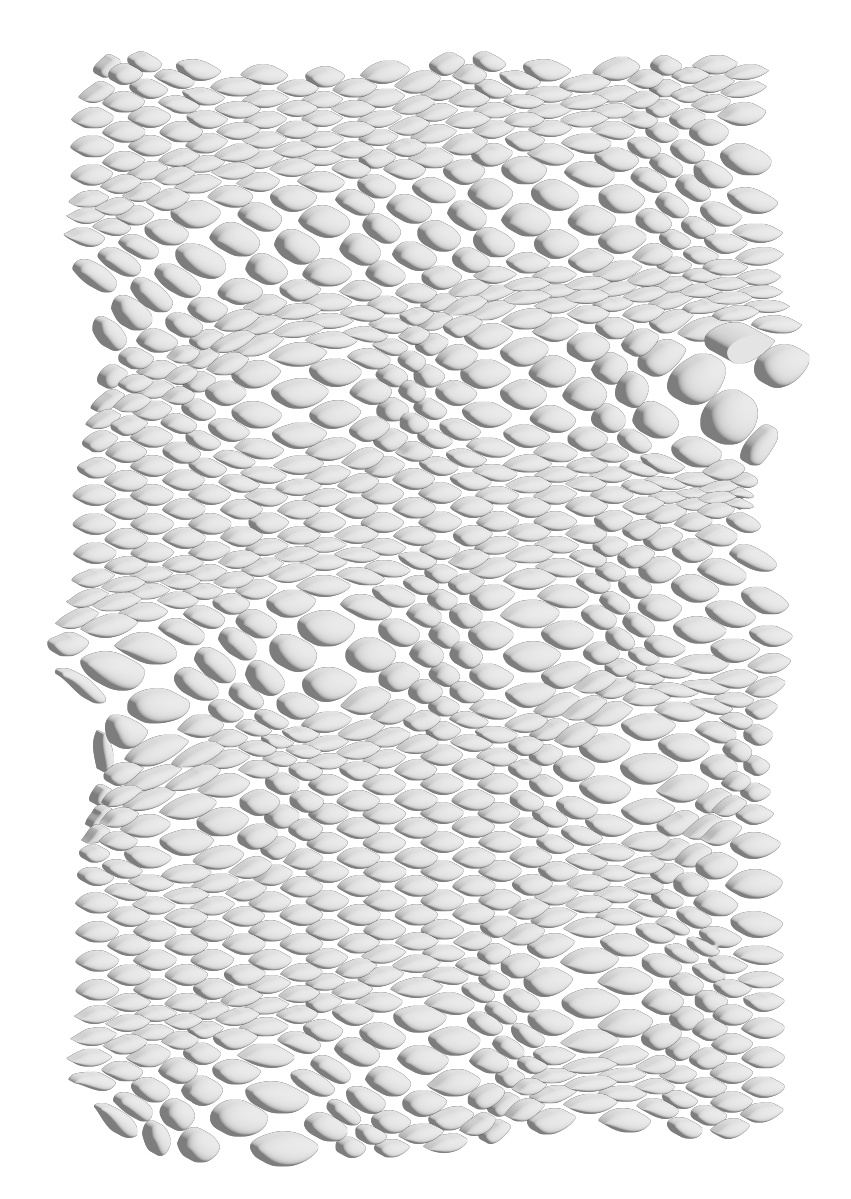
En estas obras, cada forma se multiplica hasta convertirse en ritmo. Cada patrón insiste sobre sí mismo, se extiende, se curva, se acumula, como si imitara la persistencia natural de las texturas que lo inspiran: la corteza, el musgo, la piedra, el agua.
La repetición funciona como un modo de escuchar más atentamente. Un gesto que hace visible otra capa del paisaje, una estructura que no se ve a simple vista pero que emerge cuando se vuelve al mismo punto, una y otra vez.
“Texturas para leer el mundo 2” continúa la misma búsqueda, pero desde un lugar más preciso: la repetición como herramienta para leer, como práctica para revelar, como forma de insistir en aquello que el mundo dice en voz muy baja.
---
Deepening the Gaze Through Repetition
This second part of the project continues exploring the same questions as Textures for Reading the World: How do we read our surroundings when we observe them through what is minimal, quiet, and persistent?
But here, that reading becomes more concentrated. Repetition emerges as a way of going deeper into the forms that were already there. Repeating not to organize or control, but to unfold what a single glance cannot reveal.
In these works, each shape multiplies until it becomes rhythm. Each pattern insists on itself—stretching, bending, accumulating—as if echoing the natural persistence of the textures that inspire it: bark, moss, stone, water.
Repetition becomes a way of listening more closely. A gesture that makes another layer of the landscape visible, a structure that cannot be seen at first sight but emerges when we return to the same point, again and again.
Textures for Reading the World 2 continues the same search, but from a more precise place: repetition as a tool for reading, as a practice for revealing, as a way of insisting on what the world whispers in a very low voice.